Essential Digital Skills for Students
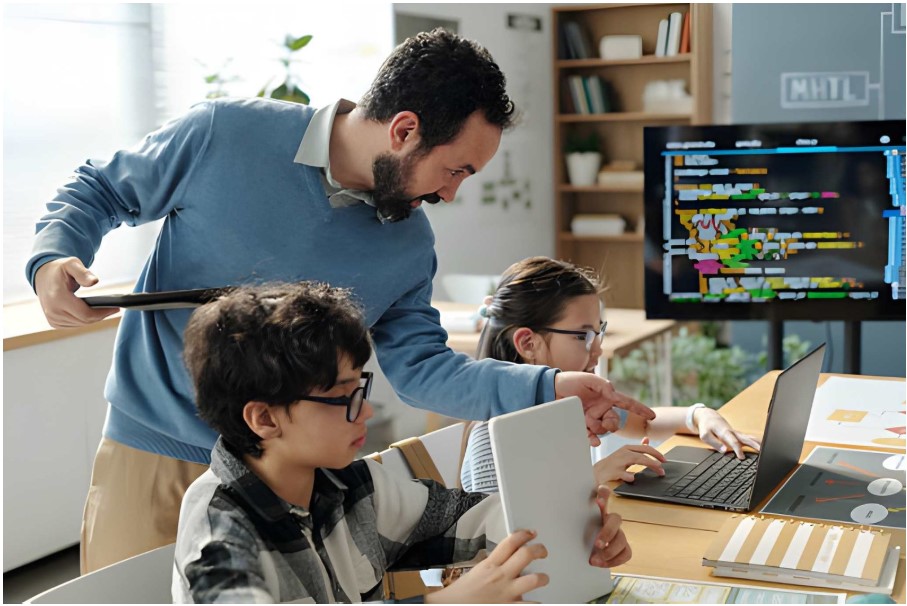
In today’s connected world, digital skills for students are no longer optional—they are essential for learning, communication, career preparation, and everyday life. Whether students are completing homework, collaborating on group projects, researching online, or preparing for future employment, strong digital literacy helps them succeed with confidence.
Digital skills go beyond knowing how to use a smartphone or browse the internet. They include the ability to find reliable information, use technology responsibly, protect personal data, communicate professionally, and create digital content. As education and workplaces become more technology-driven, students who develop these skills early gain a major advantage.
What Are Digital Skills?
Digital skills are the abilities needed to use digital devices, software, platforms, and online tools effectively. These skills include basic computer knowledge, internet research, online communication, cybersecurity awareness, digital collaboration, and problem-solving with technology.
For students Ga6789.com, digital skills support academic success and help build independence. A digitally skilled student can submit assignments online, evaluate sources, manage files, create presentations, join virtual classes, and use learning apps productively.
Why Digital Skills Are Important for Students
Digital literacy is important because modern education depends heavily on technology. Many schools use online learning platforms, digital textbooks, educational videos, and cloud-based tools. Students who understand how to use these resources can learn more efficiently.
Digital skills also prepare students for future careers. Most jobs now require some level of technology use, from writing emails and using spreadsheets to managing data and attending online meetings. By building essential digital skills, students become more adaptable and ready for the demands of the modern workplace.
Additionally, digital knowledge helps students stay safe online. Understanding privacy, passwords, scams, and responsible online behavior can prevent serious problems such as identity theft, cyberbullying, and misinformation.
Basic Computer and Device Skills
One of the first digital skills students need is the ability to use computers, tablets, and smartphones properly. This includes turning devices on and off, using keyboards and touchscreens, adjusting settings, connecting to Wi-Fi, and troubleshooting simple problems.
Students should also know how to organize digital files. Creating folders, naming documents clearly, saving work in the right location, and backing up important files are basic but valuable habits. These skills prevent lost assignments and make studying more organized.
Online Research Skills
The internet offers unlimited information, but not all of it is accurate. Students need strong online research skills to find trustworthy sources and use information responsibly.
Good research skills include using search engines effectively, choosing reliable websites, checking publication dates, comparing sources, and identifying bias. Students should learn the difference between academic sources, news articles, opinion blogs, and advertisements.
Knowing how to research online also helps students avoid plagiarism. They should understand how to summarize information in their own words, quote correctly, and cite sources when required.
Digital Communication Skills
Digital communication is a key part of school and professional life. Students often communicate through email, messaging platforms, discussion boards, and video calls.
Learning how to communicate clearly and respectfully online is essential.
Students should know how to write a professional email, use appropriate greetings, create clear subject lines, and proofread messages before sending them. They should also understand online etiquette, often called “netiquette,” which includes being polite, avoiding offensive language, and respecting different opinions.
In virtual classes or meetings, students should learn how to mute microphones, use chat features appropriately, share screens, and participate respectfully.
Cybersecurity and Online Safety
Cybersecurity is one of the most important digital skills for students. Young people spend a lot of time online, so they must understand how to protect themselves and their personal information.
Students should learn to create strong passwords, avoid sharing private details, recognize phishing emails, and be careful when downloading files or clicking links. They should also understand privacy settings on social media and learning platforms.
Online safety also includes knowing how to respond to cyberbullying. Students should report harmful behavior, save evidence when necessary, and avoid engaging with abusive messages. Responsible digital behavior protects both students and their communities.
Digital Collaboration Skills
Many school projects require teamwork, and digital tools make collaboration easier. Students should know how to use shared documents, cloud storage, project management apps, and online discussion platforms.
Tools like Google Docs, Microsoft Teams, Zoom, and other learning platforms allow students to work together even when they are not in the same place. Digital collaboration skills include sharing files, editing documents, leaving comments, assigning tasks, and meeting deadlines.
These skills are especially useful because many workplaces rely on remote or hybrid teamwork. Students who learn digital collaboration early will be better prepared for future careers.
Content Creation Skills
Students should not only consume digital content—they should also learn how to create it. Digital content creation includes making presentations, videos, posters, blogs, podcasts, and infographics.
Creative digital skills help students express ideas in engaging ways. For example, a student might create a slideshow for a history project, edit a video for a science assignment, or design an infographic to explain statistics.
Learning basic design principles, such as using readable fonts, clear images, and organized layouts, can improve the quality of student work. Content creation also builds confidence and encourages creativity.
Productivity and Time Management Tools
Digital tools can help students manage their time and responsibilities. Calendars, reminder apps, note-taking tools, and task managers are useful for staying organized.
Students can use digital calendars to track homework, exams, and project deadlines.
Note-taking apps help organize class materials, while task management tools can break large assignments into smaller steps.
However, students also need to manage distractions. Social media, games, and notifications can reduce focus. A strong digital student knows how to set boundaries, silence notifications, and use technology for learning rather than distraction.
Critical Thinking in the Digital World
Critical thinking is essential in the age of digital information. Students must learn to question what they see online, especially on social media. Fake news, edited images, misleading headlines, and artificial intelligence-generated content can be difficult to identify.
Students should ask important questions: Who created this content? What is the purpose? Is there evidence? Are other reliable sources saying the same thing? Developing these habits helps students become smart and responsible digital citizens.
How Students Can Improve Digital Skills
Students can improve digital skills through practice, curiosity, and responsible technology use. They can take online courses, watch tutorials, ask teachers for guidance, and explore educational tools. Schools and parents can also support students by providing safe access to technology and encouraging positive online habits.
Regular practice is important. The more students use digital tools for learning, creativity, and communication, the more confident they become.
Conclusion
Essential digital skills for students include computer literacy, online research, digital communication, cybersecurity, collaboration, content creation, productivity, and critical thinking. These skills support academic success, personal safety, and future career opportunities.
As Màu mạng Gà Đá technology continues to shape education and the workplace, students who develop strong digital literacy will be better prepared for the future. By learning how to use technology wisely, safely, and creatively, students can become confident learners and responsible digital citizens.