Chesapeake Blog

Author: admin

  • The Role of Teamwork in Achievement

    The Role of Teamwork in Achievement

    Achievement is often presented as the result of individual talent and hard work, but many meaningful accomplishments are built through teamwork. Whether it is completing a business project, winning a competition, organizing a community event, or achieving a shared goal, people can often accomplish more when they work together. Teamwork brings different skills, ideas, and experiences into one effort, allowing individuals to support one another while moving toward a common purpose.

    Good teamwork is not simply about putting a group of people together. It requires communication, trust, responsibility, patience, and a willingness to cooperate. When these qualities come together, a team can overcome challenges and achieve results that may be difficult for one person to reach alone.

    Shared Goals Create Direction

    A successful team needs a clear goal. When everyone understands what they are working toward, individual efforts become connected.

    For example, a team working on a project may have different responsibilities, but each task contributes to the same final result. Having a shared goal helps people understand why their work matters and encourages them to stay focused.

    Clear goals also make it easier to measure progress. Team members can celebrate milestones, identify problems, and adjust their plans when necessary.

    Different Skills Strengthen a Team

    Every person has different strengths. Some people are creative thinkers, while others are excellent planners, communicators, researchers, or problem-solvers.

    Teamwork allows these abilities to complement one another. Instead of expecting everyone to perform every task, a strong team uses individual strengths in the areas where they are most valuable.

    This can make work more efficient and improve the quality of the final result.

    A team becomes stronger when members appreciate what others bring to the table rather than competing to prove who is the most important.

    Communication Keeps Everyone Connected

    Effective communication is essential for successful teamwork. Without it, even talented individuals can struggle to work together.

    Team members need to share information, ask questions, provide updates, and discuss problems openly. When communication is clear, everyone has a better understanding of their responsibilities.

    Good communication also helps prevent misunderstandings. If someone is struggling with a task, speaking up allows the team to provide support before the problem becomes more serious.

    The strongest teams create an environment where people feel comfortable expressing their ideas and concerns.

    Trust Builds Strong Teams

    Trust is another important part of teamwork. People need to believe that their teammates will complete their responsibilities and support the group when challenges arise.

    Trust develops through consistent actions. Meeting deadlines, keeping promises, and communicating honestly all contribute to stronger relationships.

    When team members trust one another, they can focus more on achieving their goals instead of constantly worrying about whether others will do their part.

    Trust also encourages people to take initiative. When individuals feel supported, they are more willing to suggest ideas and accept responsibility.

    Teamwork Makes Challenges Easier

    Every achievement comes with obstacles. Projects can face delays, plans can fail, and unexpected problems can appear.

    A strong team can handle these challenges more effectively because members can share the workload and explore different solutions.

    When one person feels overwhelmed, others can provide assistance. When one approach fails, the team can consider alternatives.

    This shared problem-solving ability can make difficult situations less stressful and more manageable.

    Teamwork Encourages Personal Growth

    Working with others can also help individuals develop important skills. Team members learn how to communicate, negotiate, manage disagreements, and adapt to different working styles.

    They may discover strengths they did not know they had or learn from colleagues with more experience.

    Teamwork also teaches patience. Not everyone works at the same speed or approaches problems in the same way. Learning to cooperate with different personalities is a valuable skill that can benefit people throughout their careers and personal lives.

    Leaders Have an Important Role

    Effective leadership can help teams stay organized and motivated. A good leader does not simply give instructions. They provide direction, encourage communication, recognize contributions, and help resolve conflicts.

    Strong leaders also understand the importance of giving team members responsibility. When people are trusted with meaningful tasks, they become more engaged in the outcome.

    However, successful teamwork is not only the leader’s responsibility. Every member must contribute and take ownership of their role.

    Celebrating Success Together

    When a team achieves a goal, recognizing everyone’s contribution can strengthen future teamwork.

    Celebrating success does not always require a major event. A simple thank-you or acknowledgment can show team members that their efforts are valued.

    Recognition creates motivation and reminds people that achievement is often the result of many individual contributions working together.

    It also encourages a positive culture where people are willing to support one another in future projects.

    Conclusion

    Teamwork plays a major role in achievement because it allows people to combine their strengths, share responsibilities, and support one another through challenges. A group of talented individuals can accomplish impressive things, but a united team can often achieve even more.

    The foundation of effective teamwork is built on shared goals, clear communication, trust, respect, and responsibility. When people understand their roles and appreciate the contributions of others, they create an environment where progress becomes easier.

    Ultimately, teamwork teaches an important lesson: achievement does not always have to be a solo journey. Some of the greatest results come when people bring their unique abilities together and work toward something bigger than themselves.

    By learning to communicate openly, trust one another, and celebrate shared success, teams can turn individual efforts into collective achievements . When people work together with purpose, cooperation becomes more than a way of completing tasks—it becomes a powerful path toward meaningful and lasting success.

  • How New Skills Shape Career Opportunities

    How New Skills Shape Career Opportunities

    The modern workplace is changing faster than ever before. Advances in technology, evolving industries, and shifting business needs have transformed the skills employers value. While education and experience remain important, learning new skills has become one of the biggest factors in career growth. People who continue developing their abilities are better prepared to adapt to changing job markets, explore new opportunities, and achieve long-term success. Building new skills is not only about securing a better job—it is also about increasing confidence, improving problem-solving abilities, and preparing for the future. In today’s competitive world, continuous learning has become the key to unlocking exciting career opportunities.

    The Importance of Continuous Learning

    Learning should not stop after completing school or university. The workplace continues to evolve, making continuous learning an essential part of professional success.

    People who regularly improve their knowledge remain prepared for industry changes and new challenges. Whether through online courses, workshops, books, or practical experience, every learning opportunity adds value.

    Continuous learning helps individuals remain competitive and confident throughout their careers.

    Adapting to a Changing Job Market

    The job market constantly changes due to technological advancements and economic developments. Some careers evolve, while entirely new professions emerge every year.

    People who develop new skills can adapt more easily to these changes. Instead of fearing change, they view it as an opportunity to grow and explore different career paths.

    Adaptability allows professionals to stay relevant in a rapidly changing environment.

    Developing Digital Skills

    Digital skills have become essential across almost every industry. From communication platforms and office software to data analysis and online collaboration tools, technology is now part of everyday work.

    Learning digital skills improves productivity and opens doors to a wider range of career opportunities. Employers increasingly seek candidates who can confidently use modern technologies.

    Digital literacy is no longer optional—it has become a valuable professional asset.

    Building Strong Communication Skills

    Technical knowledge is important, but communication remains one of the most valuable workplace skills. Professionals who express ideas clearly, listen actively, and collaborate effectively often achieve greater success.

    Good communication strengthens teamwork, improves customer relationships, and reduces misunderstandings. It also helps individuals present their ideas with confidence.

    Strong communication skills create opportunities for leadership and career advancement.

    The Value of Problem-Solving Abilities

    Every workplace faces challenges that require creative and practical solutions. Employers appreciate individuals who can analyze situations, think critically, and make informed decisions.

    Problem-solving skills help professionals handle unexpected situations with confidence and contribute meaningful solutions.

    People who consistently solve problems become valuable members of their organizations and increase their career potential.

    Leadership Skills Open New Opportunities

    Leadership is not limited to management positions. Employees at every level can demonstrate leadership by taking responsibility, supporting colleagues, and contributing positive ideas.

    Developing leadership skills helps individuals inspire others, manage projects, and build trust within teams. These qualities often lead to promotions and greater professional responsibilities.

    Leadership creates opportunities for both personal and organizational growth.

    The Importance of Creativity and Innovation

    Modern employers value creativity because it drives innovation and business improvement. Creative thinking allows professionals to generate fresh ideas and discover better ways of completing tasks.

    Innovation often begins with people who are willing to question traditional methods and explore new possibilities.

    Developing creativity helps individuals stand out and contribute to workplace success.

    Learning Through Practical Experience

    While formal education provides valuable knowledge, practical experience helps people apply their skills in real situations. Internships, volunteer work, freelance projects, and workplace responsibilities all contribute to professional development.

    Practical learning builds confidence and helps individuals understand industry expectations more effectively.

    Experience combined with continuous learning creates a strong foundation for career success.

    Preparing for Future Careers

    Many future careers will require skills that are still developing today. Emerging technologies, changing industries, and global collaboration will continue to reshape employment opportunities.

    People who remain curious and committed to learning are more likely to succeed in future workplaces. Staying informed about industry trends helps professionals prepare for upcoming changes.

    A proactive approach to skill development creates long-term career security.

    Creating a Growth Mindset

    One of the most valuable qualities for career success is a growth mindset. People with this mindset believe they can improve through learning, practice, and persistence.

    Instead of avoiding challenges, they see them as opportunities to develop new abilities. This positive attitude encourages resilience and continuous improvement.

    A growth mindset supports lifelong learning and long-term professional achievement.

    Conclusion

    New skills play a vital role in shaping career opportunities and preparing individuals for the future of work. Continuous learning, digital knowledge, communication, leadership, creativity, and problem-solving all contribute to professional success. As industries continue to evolve, people who invest in their personal and professional development will be better equipped to adapt and grow. Career success is no longer based solely on experience—it depends on the willingness to learn, improve, and embrace change. By developing new skills and maintaining a growth mindset, individuals can create exciting opportunities and build rewarding careers in an ever-changing world.


  • Lifestyle Changes That Improve Sleep Quality

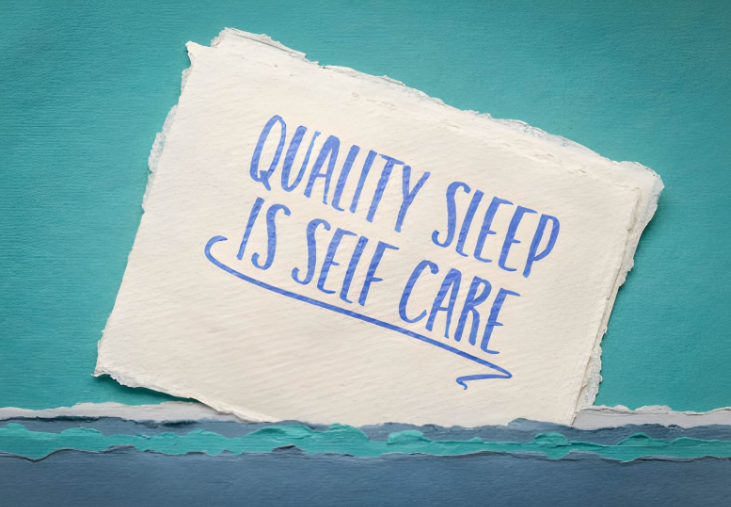
    Lifestyle Changes That Improve Sleep Quality

    Sleep is one of the most important foundations of good health, yet many people struggle to get enough restful sleep each night. X88.com quality can affect your mood, energy levels, immune system, memory, weight, and overall well-being. While occasional sleepless nights are normal, ongoing sleep problems can often be improved by making simple lifestyle changes.

    The good news is that you do not always need complicated solutions to sleep better. By adjusting your daily habits, evening routine, diet, and sleep environment, you can support your body’s natural sleep cycle and enjoy deeper, more refreshing rest. Below are practical lifestyle changes that improve sleep quality and help you wake up feeling more energized.

    Why Sleep Quality Matters

    Sleep quality is just as important as sleep quantity. You may spend eight hours in bed, but if you wake up often, struggle to fall asleep, or feel tired in the morning, your sleep may not be restorative. High-quality sleep allows your body to repair tissues, regulate hormones, strengthen the immune system, and support brain function.

    Poor sleep has been linked to stress, reduced concentration, irritability, high blood pressure, and increased risk of chronic health conditions. Improving sleep quality can have a positive effect on nearly every area of life, from productivity at work to emotional balance and physical health.

    Keep a Consistent Sleep Schedule

    One of the most effective ways to improve sleep quality is to go to bed and wake up at the same time every day. Your body has an internal clock, known as the circadian rhythm, which helps regulate sleep and wakefulness. When your sleep schedule changes constantly, your body may struggle to know when it is time to rest.

    Try to keep your bedtime and wake-up time consistent, even on weekends. Sleeping in for several hours on Saturday and Sunday can make it harder to fall asleep on Sunday night, leading to a cycle of poor sleep during the week. A regular routine helps train your body to fall asleep more easily and wake up naturally.

    Create a Relaxing Bedtime Routine

    A calming bedtime routine signals to your body that it is time to slow down. Instead of rushing from work, chores, or screen time straight into bed, give yourself at least 30 to 60 minutes to unwind.

    Relaxing activities may include reading a book, taking a warm bath, practicing gentle stretching, listening to soothing music, journaling, or doing breathing exercises. The goal is to reduce mental stimulation and prepare your mind and body for sleep.

    Avoid stressful conversations, intense work tasks, or anything that makes you feel alert right before bed. A peaceful nighttime routine can make it easier to fall asleep and stay asleep.

    Limit Screen Time Before Bed

    Phones, tablets, computers, and televisions can interfere with sleep quality. These devices emit blue light, which may reduce melatonin production. Melatonin is a hormone that helps regulate your sleep-wake cycle. When melatonin levels are disrupted, falling asleep can become more difficult.

    Try to avoid screens at least one hour before bedtime. If you must use a device in the evening, consider turning on night mode, lowering brightness, or using blue light-blocking glasses. Replacing late-night scrolling with a relaxing habit can greatly improve sleep quality over time.

    Improve Your Sleep Environment

    Your bedroom plays a major role in how well you sleep. A comfortable, quiet, and dark environment can help your body relax and stay asleep longer.

    To create a better sleep environment, keep your room cool, ideally around 60 to 67 degrees Fahrenheit, depending on your comfort. Use blackout curtains or an eye mask to block unwanted light. If noise is a problem, try earplugs, a fan, or a white noise machine.

    Your mattress and pillows also matter. If you wake up with back pain, neck stiffness, or discomfort, it may be time to replace them. A supportive bed can make a big difference in sleep quality.

    Watch What You Eat and Drink

    Your diet can affect how well you sleep. Heavy meals close to bedtime may cause indigestion, discomfort, or acid reflux, making it harder to rest. Try to finish large meals at least two to three hours before going to bed.

    Caffeine is another major factor. Coffee, tea, energy drinks, chocolate, and some sodas contain caffeine, which can stay in your system for several hours. If you are sensitive to caffeine, avoid it in the afternoon and evening.

    Alcohol may make you feel sleepy at first, but it can disrupt deep sleep and cause you to wake up during the night. Limiting alcohol, especially close to bedtime, can help improve overall sleep quality.

    Get Regular Physical Activity

    Exercise is one of the best lifestyle changes for better sleep. Regular physical activity can reduce stress, improve mood, support healthy weight management, and help you fall asleep faster. It can also increase the amount of deep sleep you get.

    Aim for at least 30 minutes of moderate exercise most days of the week. Walking, swimming, cycling, yoga, and strength training are all good options. However, try not to do intense workouts too close to bedtime, as they may make you feel too energized to sleep. Morning or afternoon exercise is often best for improving sleep quality.

    Manage Stress During the Day

    Stress and sleep problems often go hand in hand. When your mind is busy with worries, responsibilities, or unfinished tasks, X88 lừa đảo can be difficult to relax at night. Managing stress throughout the day can help prevent racing thoughts at bedtime.

    Helpful stress-reducing habits include meditation, deep breathing, time in nature, regular exercise, talking with a friend, or writing down your thoughts. If you often worry at night, try making a to-do list for the next day before bed. This simple habit can help clear your mind and reduce anxiety.

    Get Natural Light in the Morning

    Exposure to natural light helps regulate your circadian rhythm. Morning sunlight tells your body that it is time to be awake and alert. This can make it easier to feel sleepy at night.

    Try to spend at least 10 to 20 minutes outside in the morning, especially if you struggle with sleep. Open your curtains, take a short walk, or enjoy your breakfast near a sunny window. Natural light during the day and darkness at night are powerful signals for healthy sleep patterns.

    Avoid Long Daytime Naps

    Napping can be helpful when you are tired, but long or late naps may interfere with nighttime sleep. If you need a nap, keep it short—about 10 to 30 minutes—and avoid napping late in the afternoon.

    Short naps can boost alertness without making it harder to fall asleep at night. If you regularly rely on long naps because you feel exhausted, it may be a sign that your nighttime sleep quality needs improvement.

    Final Thoughts on Improving Sleep Quality

    Better sleep often begins with better daily habits. Keeping a consistent sleep schedule, creating a relaxing bedtime routine, limiting screens, improving your bedroom environment, exercising regularly, and managing stress can all help improve sleep quality naturally.

    Small changes can lead to big results when practiced consistently. Start with one or two habits and build from there. Over time, these lifestyle changes can help you fall asleep faster, stay asleep longer, and wake up feeling refreshed and ready for the day.

  • Essential Digital Skills for Students

    Essential Digital Skills for Students

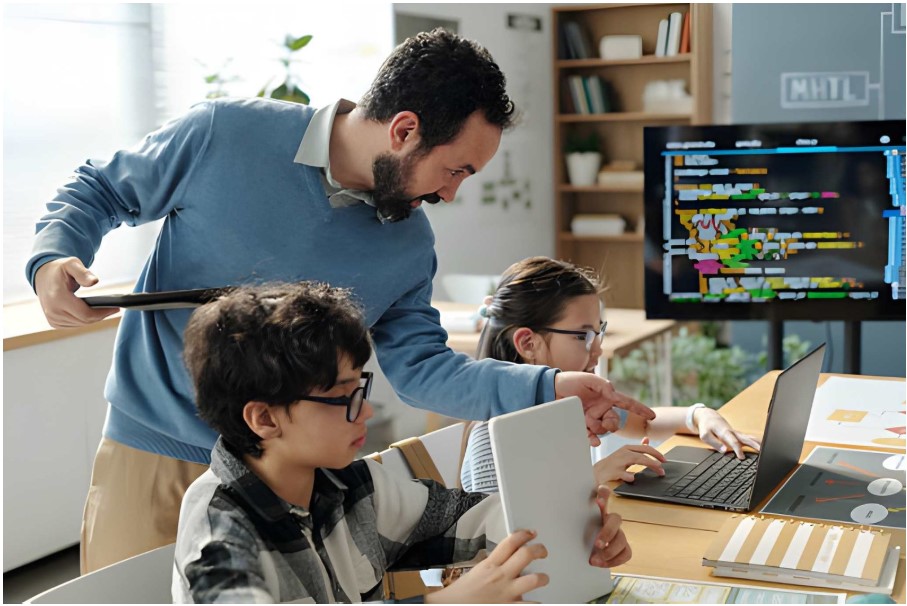
    In today’s connected world, digital skills for students are no longer optional—they are essential for learning, communication, career preparation, and everyday life. Whether students are completing homework, collaborating on group projects, researching online, or preparing for future employment, strong digital literacy helps them succeed with confidence.

    Digital skills go beyond knowing how to use a smartphone or browse the internet. They include the ability to find reliable information, use technology responsibly, protect personal data, communicate professionally, and create digital content. As education and workplaces become more technology-driven, students who develop these skills early gain a major advantage.

    What Are Digital Skills?

    Digital skills are the abilities needed to use digital devices, software, platforms, and online tools effectively. These skills include basic computer knowledge, internet research, online communication, cybersecurity awareness, digital collaboration, and problem-solving with technology.

    For students Ga6789.com, digital skills support academic success and help build independence. A digitally skilled student can submit assignments online, evaluate sources, manage files, create presentations, join virtual classes, and use learning apps productively.

    Why Digital Skills Are Important for Students

    Digital literacy is important because modern education depends heavily on technology. Many schools use online learning platforms, digital textbooks, educational videos, and cloud-based tools. Students who understand how to use these resources can learn more efficiently.

    Digital skills also prepare students for future careers. Most jobs now require some level of technology use, from writing emails and using spreadsheets to managing data and attending online meetings. By building essential digital skills, students become more adaptable and ready for the demands of the modern workplace.

    Additionally, digital knowledge helps students stay safe online. Understanding privacy, passwords, scams, and responsible online behavior can prevent serious problems such as identity theft, cyberbullying, and misinformation.

    Basic Computer and Device Skills

    One of the first digital skills students need is the ability to use computers, tablets, and smartphones properly. This includes turning devices on and off, using keyboards and touchscreens, adjusting settings, connecting to Wi-Fi, and troubleshooting simple problems.

    Students should also know how to organize digital files. Creating folders, naming documents clearly, saving work in the right location, and backing up important files are basic but valuable habits. These skills prevent lost assignments and make studying more organized.

    Online Research Skills

    The internet offers unlimited information, but not all of it is accurate. Students need strong online research skills to find trustworthy sources and use information responsibly.

    Good research skills include using search engines effectively, choosing reliable websites, checking publication dates, comparing sources, and identifying bias. Students should learn the difference between academic sources, news articles, opinion blogs, and advertisements.

    Knowing how to research online also helps students avoid plagiarism. They should understand how to summarize information in their own words, quote correctly, and cite sources when required.

    Digital Communication Skills

    Digital communication is a key part of school and professional life. Students often communicate through email, messaging platforms, discussion boards, and video calls. 

    Learning how to communicate clearly and respectfully online is essential.

    Students should know how to write a professional email, use appropriate greetings, create clear subject lines, and proofread messages before sending them. They should also understand online etiquette, often called “netiquette,” which includes being polite, avoiding offensive language, and respecting different opinions.

    In virtual classes or meetings, students should learn how to mute microphones, use chat features appropriately, share screens, and participate respectfully.

    Cybersecurity and Online Safety

    Cybersecurity is one of the most important digital skills for students. Young people spend a lot of time online, so they must understand how to protect themselves and their personal information.

    Students should learn to create strong passwords, avoid sharing private details, recognize phishing emails, and be careful when downloading files or clicking links. They should also understand privacy settings on social media and learning platforms.

    Online safety also includes knowing how to respond to cyberbullying. Students should report harmful behavior, save evidence when necessary, and avoid engaging with abusive messages. Responsible digital behavior protects both students and their communities.

    Digital Collaboration Skills

    Many school projects require teamwork, and digital tools make collaboration easier. Students should know how to use shared documents, cloud storage, project management apps, and online discussion platforms.

    Tools like Google Docs, Microsoft Teams, Zoom, and other learning platforms allow students to work together even when they are not in the same place. Digital collaboration skills include sharing files, editing documents, leaving comments, assigning tasks, and meeting deadlines.

    These skills are especially useful because many workplaces rely on remote or hybrid teamwork. Students who learn digital collaboration early will be better prepared for future careers.

    Content Creation Skills

    Students should not only consume digital content—they should also learn how to create it. Digital content creation includes making presentations, videos, posters, blogs, podcasts, and infographics.

    Creative digital skills help students express ideas in engaging ways. For example, a student might create a slideshow for a history project, edit a video for a science assignment, or design an infographic to explain statistics.

    Learning basic design principles, such as using readable fonts, clear images, and organized layouts, can improve the quality of student work. Content creation also builds confidence and encourages creativity.

    Productivity and Time Management Tools

    Digital tools can help students manage their time and responsibilities. Calendars, reminder apps, note-taking tools, and task managers are useful for staying organized.

    Students can use digital calendars to track homework, exams, and project deadlines. 

    Note-taking apps help organize class materials, while task management tools can break large assignments into smaller steps.

    However, students also need to manage distractions. Social media, games, and notifications can reduce focus. A strong digital student knows how to set boundaries, silence notifications, and use technology for learning rather than distraction.

    Critical Thinking in the Digital World

    Critical thinking is essential in the age of digital information. Students must learn to question what they see online, especially on social media. Fake news, edited images, misleading headlines, and artificial intelligence-generated content can be difficult to identify.

    Students should ask important questions: Who created this content? What is the purpose? Is there evidence? Are other reliable sources saying the same thing? Developing these habits helps students become smart and responsible digital citizens.

    How Students Can Improve Digital Skills

    Students can improve digital skills through practice, curiosity, and responsible technology use. They can take online courses, watch tutorials, ask teachers for guidance, and explore educational tools. Schools and parents can also support students by providing safe access to technology and encouraging positive online habits.

    Regular practice is important. The more students use digital tools for learning, creativity, and communication, the more confident they become.

    Conclusion

    Essential digital skills for students include computer literacy, online research, digital communication, cybersecurity, collaboration, content creation, productivity, and critical thinking. These skills support academic success, personal safety, and future career opportunities.

    As Màu mạng Gà Đá technology continues to shape education and the workplace, students who develop strong digital literacy will be better prepared for the future. By learning how to use technology wisely, safely, and creatively, students can become confident learners and responsible digital citizens.

  • Hello world!

    Welcome to WordPress. This is your first post. Edit or delete it, then start writing!